
Low-Code Development Platforms: The Future of Software Creation
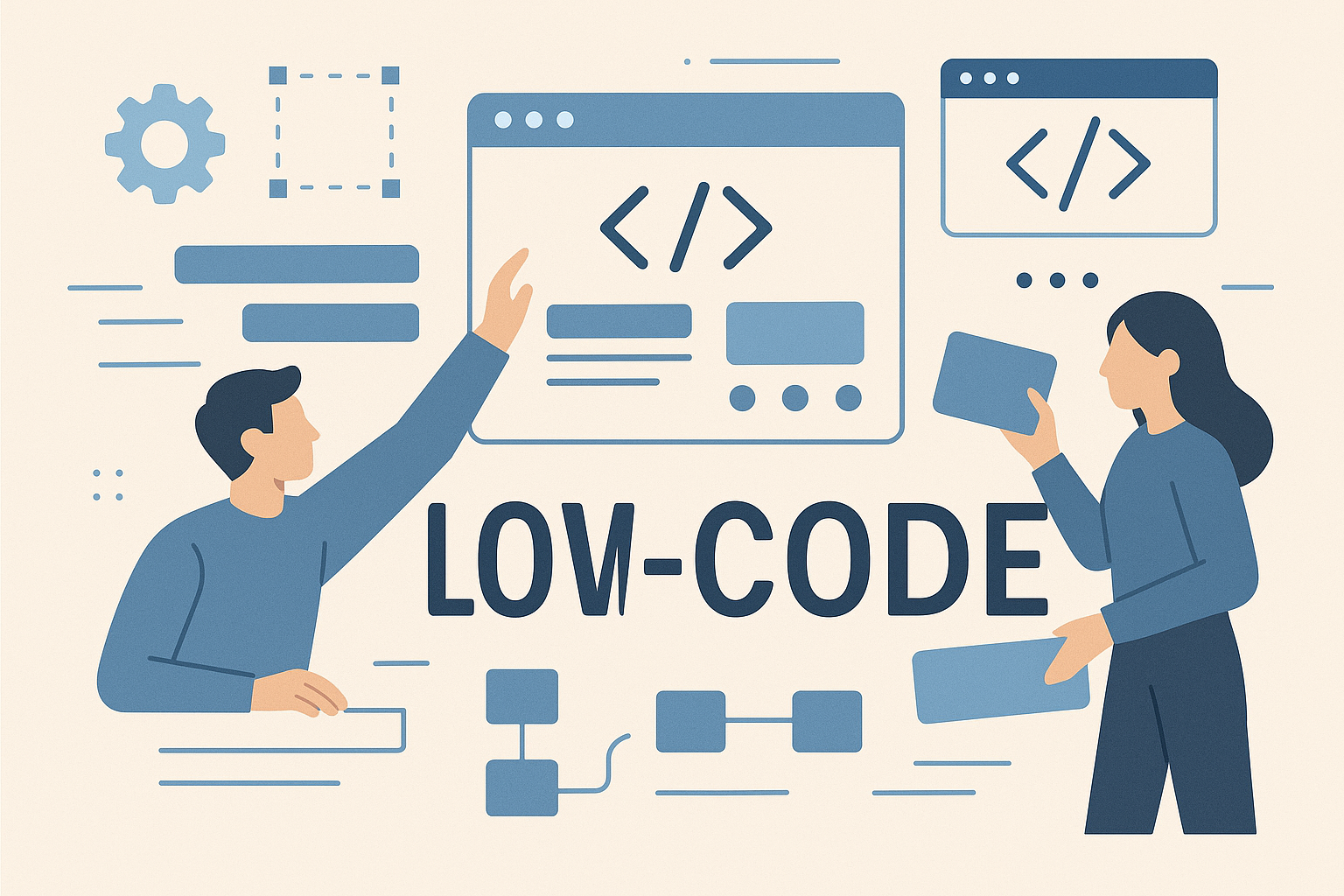
In today’s fast-paced digital landscape, businesses require rapid software solutions to stay competitive. This is where low-code development platforms (LCDPs) come in. By reducing the need for extensive coding knowledge, these platforms empower users to create applications efficiently.
In this guide, we’ll explore what low-code platforms are, their advantages, use cases, and how you can get started.
What is a Low-Code Development Platform?
A low-code platform is a visual application development environment that enables users to build software with minimal coding. Specifically, by using drag-and-drop components and model-driven logic, developers can significantly accelerate the software development process.
Moreover, these platforms are not limited to professional developers. Notably, both professional developers and non-technical users, often called citizen developers, can effectively leverage these platforms to build applications. Consequently, this inclusive approach enhances collaboration and speeds up digital transformation within organizations.

Advantages of Low-Code Development Platforms
Why are companies increasingly turning to low-code platforms? Here are some key benefits:
- Faster Development: Firstly, these platforms reduce development time by using pre-built templates and components. Consequently, businesses can launch applications more quickly.
- Lower Costs: Additionally, organizations can minimize the need for large development teams, leading to significant cost savings. Moreover, reduced development cycles further contribute to budget efficiency.
- Increased Agility: Furthermore, companies can quickly respond to market changes by deploying applications faster. As a result, businesses remain competitive and adaptable in dynamic environments.
- User-Friendly: Lastly, intuitive interfaces allow non-developers to contribute to app creation. This collaborative approach enhances productivity and fosters innovation across teams.
For a comprehensive comparison of various platforms, check out Gartner's Report.
Popular Low-Code Development Platforms
Here are some of the most widely used platforms in 2025:
- OutSystems(link): Suitable for enterprise applications with advanced customization options.
- Mendix(link): Ideal for both small businesses and large enterprises.
- Microsoft Power Apps(link): Seamlessly integrates with other Microsoft products.
- Appian(link): Best for business process automation.
Use Cases of Low-Code Platforms
Low-code platforms are versatile and can be used for various applications, including:
- Internal Business Apps: Streamline operations with customized dashboards and automation tools.
- Customer-Facing Apps: Create engaging mobile and web applications.
- Process Automation: Automate repetitive business tasks and workflows.
- Data Management: Develop systems for effective data visualization and reporting.
How to Get Started with Low-Code Platforms
If you're considering starting your low-code journey, follow these steps:
- Identify Your Needs: Determine your business goals and choose a suitable platform.
- Explore Tutorials and Courses: Platforms like Coursera and Udemy offer comprehensive courses.
- Join a Community: Connect with other developers on platforms like Reddit or Stack Overflow.
- Start Small: Build a simple app to understand platform functionalities.
Challenges and Considerations
While low-code platforms offer numerous benefits, they also come with challenges:
- Customization Limitations: Complex applications may require traditional coding.
- Vendor Lock-In: Relying on a single platform may lead to dependency.
- Security Concerns: Ensure the platform follows robust security protocols.
Conclusion
Low-code development platforms are transforming how businesses approach software creation. Whether you are a startup or an enterprise, leveraging these solutions can accelerate your digital transformation.
Looking to explore more? Check out our Coding Education or read about Code Literacy to expand your tech knowledge.
Start your low-code journey today and experience the power of simplified software development!