
How to Land Your First Entry-Level Coding Job
Breaking into the tech industry may seem challenging; however, with the right approach, you can land your first entry-level coding job. Regardless of whether you're a self-taught programmer, a bootcamp graduate, or a computer science student, following these steps will undoubtedly set you on the path to success. Moreover, staying persistent and continuously improving your skills will further enhance your chances of securing your desired role.
1. Build Strong Coding Skills
To stand out in the job market, you need a solid foundation in coding. First and foremost, start by learning popular programming languages like Python, JavaScript, or Java. Fortunately, platforms like Codecademy, freeCodeCamp, and Udemy offer beginner-friendly courses, making it easier to get started.
Next, focus on mastering the fundamentals of data structures and algorithms, as they are essential for problem-solving in coding interviews. Additionally, learn about version control systems like Git and platforms like GitHub, which are commonly used in collaborative development.
Finally, practice coding regularly through platforms like LeetCode(link) and HackerRank. Consistent practice will not only improve your coding skills but also build your confidence in tackling technical challenges.
2. Create a Portfolio of Projects for Entry-Level Coding Job
To effectively showcase your coding skills to potential employers, it's crucial to build a well-structured portfolio. Not only does it highlight your technical abilities, but it also demonstrates your problem-solving capabilities.
For instance, consider adding:
- Web Applications: Build simple websites or dynamic web apps using HTML, CSS, and JavaScript. This will exhibit your front-end development skills.
- Data Analysis Projects: Use Python and libraries like Pandas and NumPy to analyze datasets and draw meaningful insights. Such projects are particularly valuable for data-related roles.
- APIs: Develop and integrate APIs using Node.js or Flask, showcasing your back-end development expertise.
Additionally, make sure to document your projects on GitHub(link) with clear instructions and code explanations. This not only enhances the visibility of your work but also makes it easier for potential employers to understand your thought process and coding style.
3. Gain Practical Experience
Experience can come from multiple sources, not just traditional jobs. In fact, there are several practical ways to gain hands-on experience:
- Contribute to Open Source Projects: Collaborating on open-source initiatives allows you to work on real-world applications while learning from other developers.
- Freelance through Platforms like Fiverr or Upwork: Additionally, offering your services as a freelancer can help you build a diverse portfolio and gain industry exposure.
- Build Personal Projects or Participate in Hackathons: Furthermore, developing your own projects or joining hackathons enables you to tackle real-world problems and showcase your creativity.
- Complete Internships or Apprenticeships: Lastly, gaining experience through internships or apprenticeships provides valuable insights into industry practices and helps you expand your professional network.
4. Tailor Your Resume and Cover Letter
Craft a resume that highlights your coding skills, certifications, and project experience. Your cover letter should explain why you're passionate about tech and how your skills align with the company’s needs.
- Quantify your achievements where possible.
- Use relevant keywords from the job description.
5. Network in the Tech Community
Networking is a powerful tool for landing your first job. Attend local tech meetups, conferences, and coding bootcamp events. Additionally:
- Join online communities like Stack Overflow, GitHub Discussions, or Reddit.
- Connect with professionals on LinkedIn(link) and engage in discussions.
6. Prepare for Technical Interviews
Technical interviews often include coding assessments, system design challenges, and behavioral questions. Practice through platforms like InterviewBit or Pramp.
- Study data structures, algorithms, and system design concepts.
- Practice solving coding challenges within a time limit.
- Conduct mock interviews to build confidence.
7. Apply to Entry-Level Coding Jobs
Once you feel confident, it's time to take the next step by applying to entry-level software development, web development, or data analyst roles. To begin with, use platforms like Indeed, LinkedIn Jobs, and Glassdoor to explore available opportunities.
Additionally, make sure to customize your application for each role. Tailoring your resume and cover letter to highlight specific skills and experiences will significantly increase your chances of getting noticed.
Furthermore, emphasize your transferable skills and relevant projects, especially those that demonstrate your problem-solving abilities and technical expertise.
Lastly, don't hesitate to follow up with recruiters. Sending a polite follow-up email can reinforce your enthusiasm and keep your application top of mind.
Conclusion
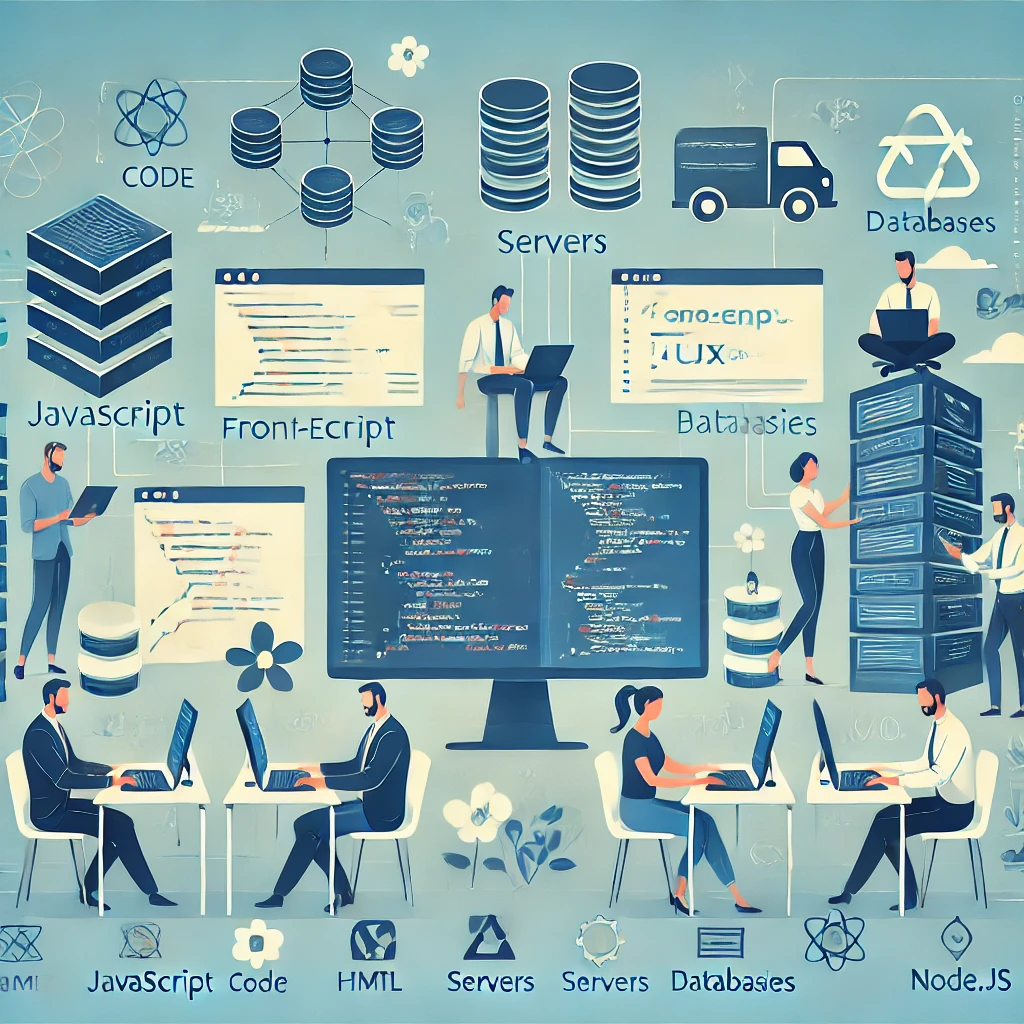
Landing your first coding job requires dedication, continuous learning, and persistence. By building your coding skills, developing projects, gaining practical experience, and networking, you’ll position yourself for success.
Ready to start your coding journey? Explore our Career Switch to Tech: Why Now Is the Perfect Time or learn about the Career in AI: From Student to AI Professional to expand your knowledge further. Good luck with your career in tech!