
Cloud Computing for Beginners: Everything You Need to Know
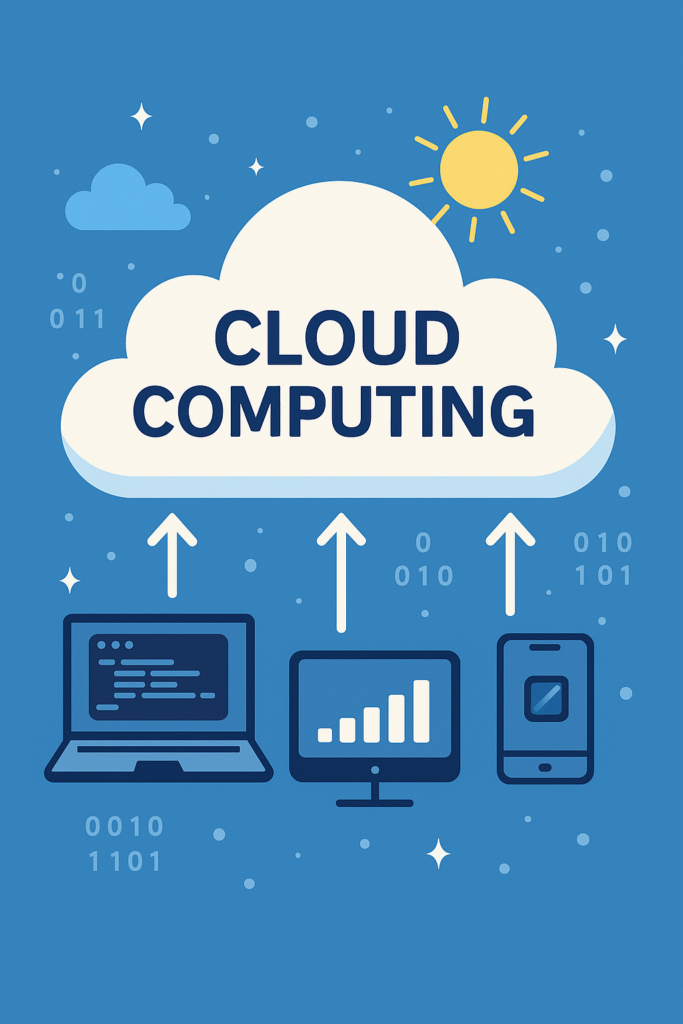
If you’ve ever used Google Drive, Dropbox, or streamed Netflix, congratulations—you’ve already used cloud computing! But what exactly is cloud computing, and why is it so important today? In this beginner-friendly guide, we’ll explore everything you need to know to start cloud computing for beginners.
What is Cloud Computing?
In simple terms, cloud computing refers to the delivery of services—including storage, servers, databases, networking, and software—over the internet ("the cloud"). Instead of owning physical hardware, users can access these resources on-demand from anywhere.
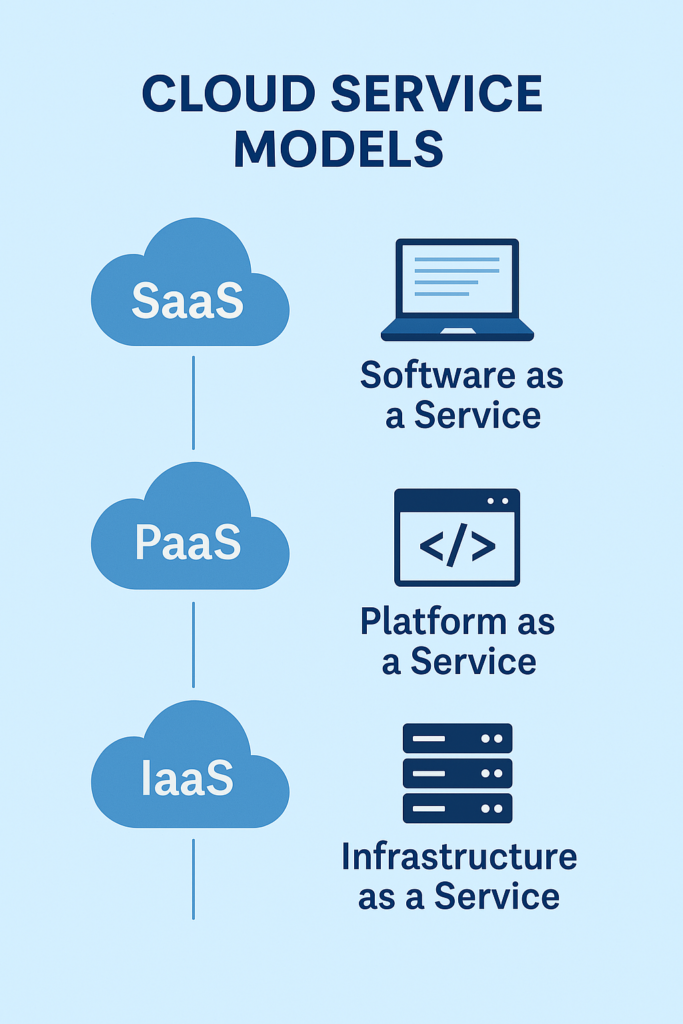
Cloud services are generally categorized into three types:
- IaaS (Infrastructure as a Service) – e.g., Amazon Web Services (AWS)
- PaaS (Platform as a Service) – e.g., Google App Engine
- SaaS (Software as a Service) – e.g., Microsoft 365, Zoom
Why is Cloud Computing Important?
To begin with, it offers cost-efficiency. Companies no longer need to invest heavily in physical infrastructure. Moreover, it provides scalability, allowing businesses to easily adjust resources based on demand. In addition, it supports remote collaboration, which is vital in today's hybrid work environment. Consequently, cloud computing enhances operational flexibility and long-term sustainability for organizations.
Key Benefits
Let’s explore some major benefits:
- Flexibility: Access your data from anywhere, on any device.
- Disaster Recovery: Built-in backup and recovery options.
- Automatic Updates: Services are always up-to-date without manual intervention.
- Collaboration: Teams can work on documents and applications in real-time.
Getting Started with Cloud Computing
To begin your journey into cloud computing:
- Understand the Basics: Platforms like AWS Training(link) and Microsoft Learn(link) offer free resources.
- Choose a Cloud Provider: Popular options include AWS, Google Cloud Platform (GCP), and Microsoft Azure.
- Practice with Real Tools: Use Free Tier on AWS(link) or Google Cloud Free Trial(link).
Real-World Applications
Cloud computing powers various sectors:
- Healthcare: Managing patient records securely.
- Education: Hosting online learning platforms.
- E-commerce: Running scalable websites and payment systems.
Learn Cloud Computing with Structured Guidance
If you’re looking for a beginner-friendly way to master cloud technologies, consider enrolling in the Full Stack Web Development and Data Analysis + AI & ML Bootcamp at CodeforIndia.com. It includes hands-on cloud integration training, which helps bridge the gap between theory and practical implementation.
Final Thoughts
In conclusion, cloud computing is transforming how we store, access, and use data. Whether you're a student, aspiring developer, or tech enthusiast, learning it is a smart step toward future-proofing your career.
Explore More: