
Coding Education for Underprivileged Students: Empowering Through Technology
Access to quality education is a fundamental right, yet many underprivileged students lack the resources to learn essential digital skills. Coding education can be a transformative force, bridging the gap and opening doors to a world of opportunities.
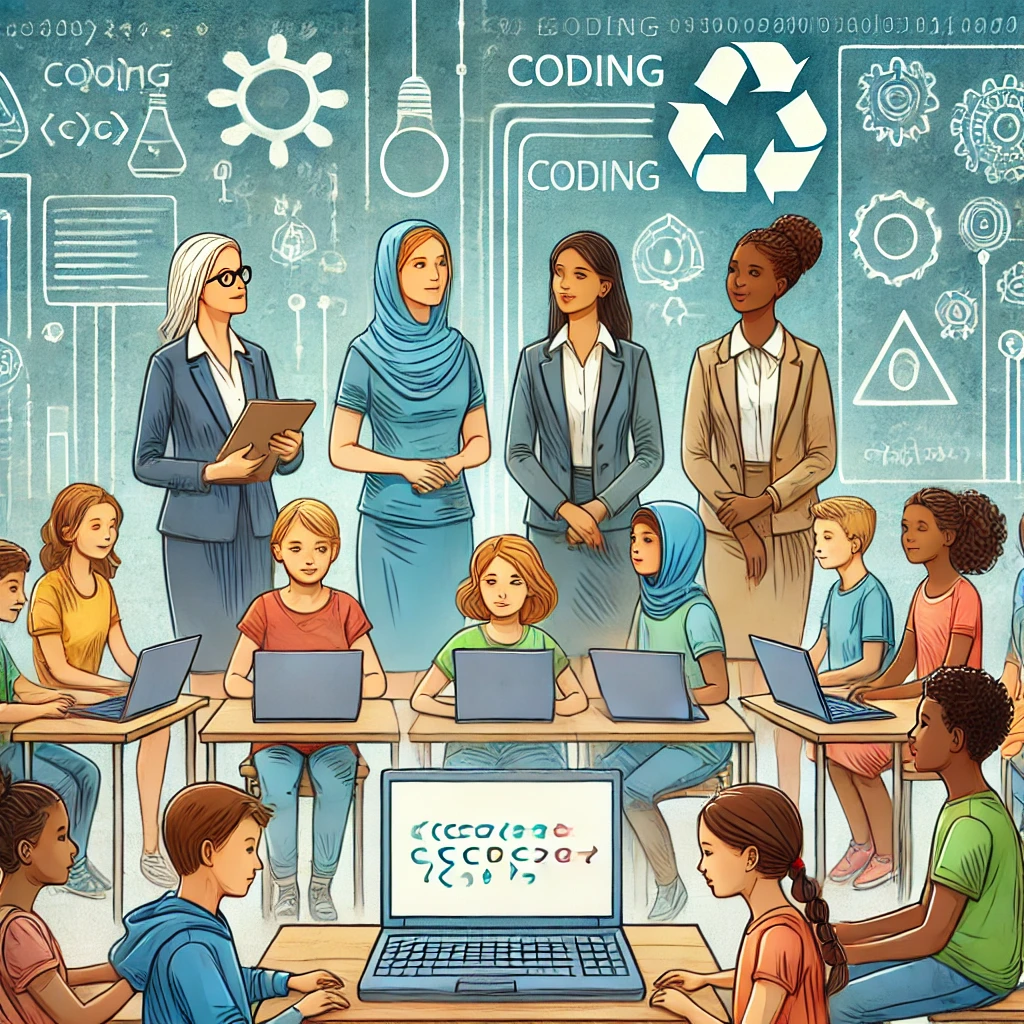
Why Coding Education Matters
Coding is more than just writing lines of code; it’s about problem-solving, logical thinking, and creativity. For underprivileged students, coding education offers a chance to:
- Break the Cycle of Poverty: High-paying tech jobs offer a pathway to financial stability.
- Develop Future-Ready Skills: Coding fosters digital literacy and analytical thinking.
- Boost Confidence: Creating something from scratch builds self-esteem and a sense of accomplishment.
According to Code.org, students who learn coding are more likely to pursue careers in computer science, which remains one of the fastest-growing fields globally.
Challenges Faced by Underprivileged Students
Unfortunately, underprivileged students often encounter barriers to accessing coding education, such as:
- Limited Access to Technology: Many students lack devices and reliable internet.
- Lack of Educational Resources: Coding programs are scarce in underserved areas.
- Financial Constraints: Paid coding bootcamps and courses can be expensive.
Initiatives Promoting Coding Education
Thankfully, numerous organizations are working to provide coding education to underserved communities. Here are some impactful initiatives:
1. Free Online Coding Platforms
Platforms like freeCodeCamp and Khan Academy offer free coding lessons. These platforms are accessible on mobile devices, making learning possible even without a computer.
2. Community Coding Programs
Organizations like Girls Who Code and Black Girls Code offer coding workshops, mentorship, and community support.
3. Coding Bootcamps for Underprivileged Students
Some coding bootcamps, such as Resilient Coders, provide free coding training to students from marginalized backgrounds, helping them land well-paying tech jobs.
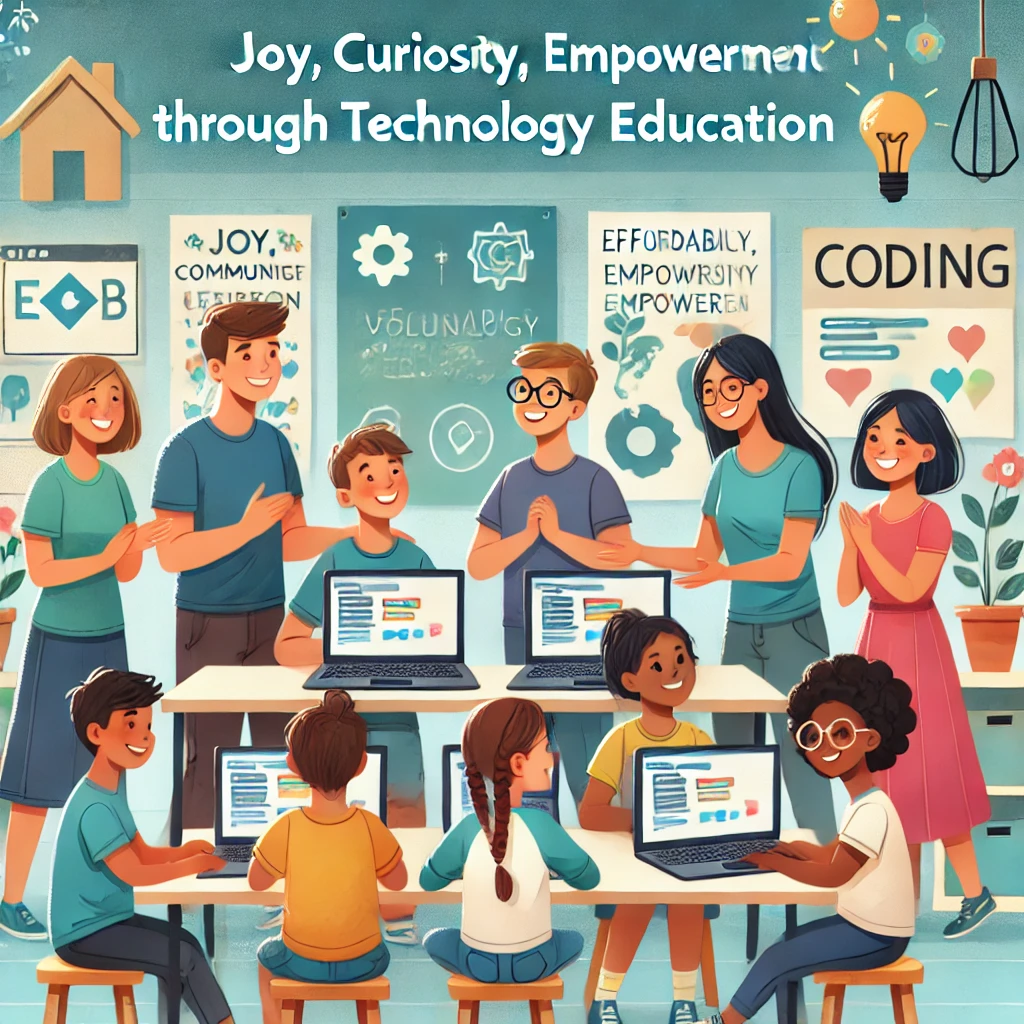
How Schools Can Incorporate Coding Education
Schools can play a pivotal role in expanding coding access. Here are some practical strategies:
- Integrate Coding into the Curriculum: Partner with platforms like CS First by Google to introduce coding lessons.
- Provide Coding Clubs: Encourage students to join or start coding clubs using resources from Code Club.
- Offer Mobile Learning: Mobile coding apps like SoloLearn make coding accessible without a computer.
Success Stories: Transforming Lives Through Code
Consider the inspiring story of students who participated in Code.org’s Hour of Code. Many have gone on to pursue careers in software engineering, cybersecurity, and game development. Coding education truly has the power to change lives.
How You Can Support Coding Education
You can contribute to making coding education accessible for all by:
- Donating to organizations that provide free coding resources.
- Volunteering as a coding mentor.
- Advocating for coding programs in your local schools and communities.
Final Thoughts
Coding education for underprivileged students is a powerful tool for empowerment and opportunity. By breaking down barriers to learning, we can create a more inclusive and equitable tech industry.
Are you ready to support coding education in your community? Start by exploring platforms like Code.in and taking part in initiatives that promote coding literacy for all.
Let us know how coding has impacted your life or how you're supporting coding education in your area!