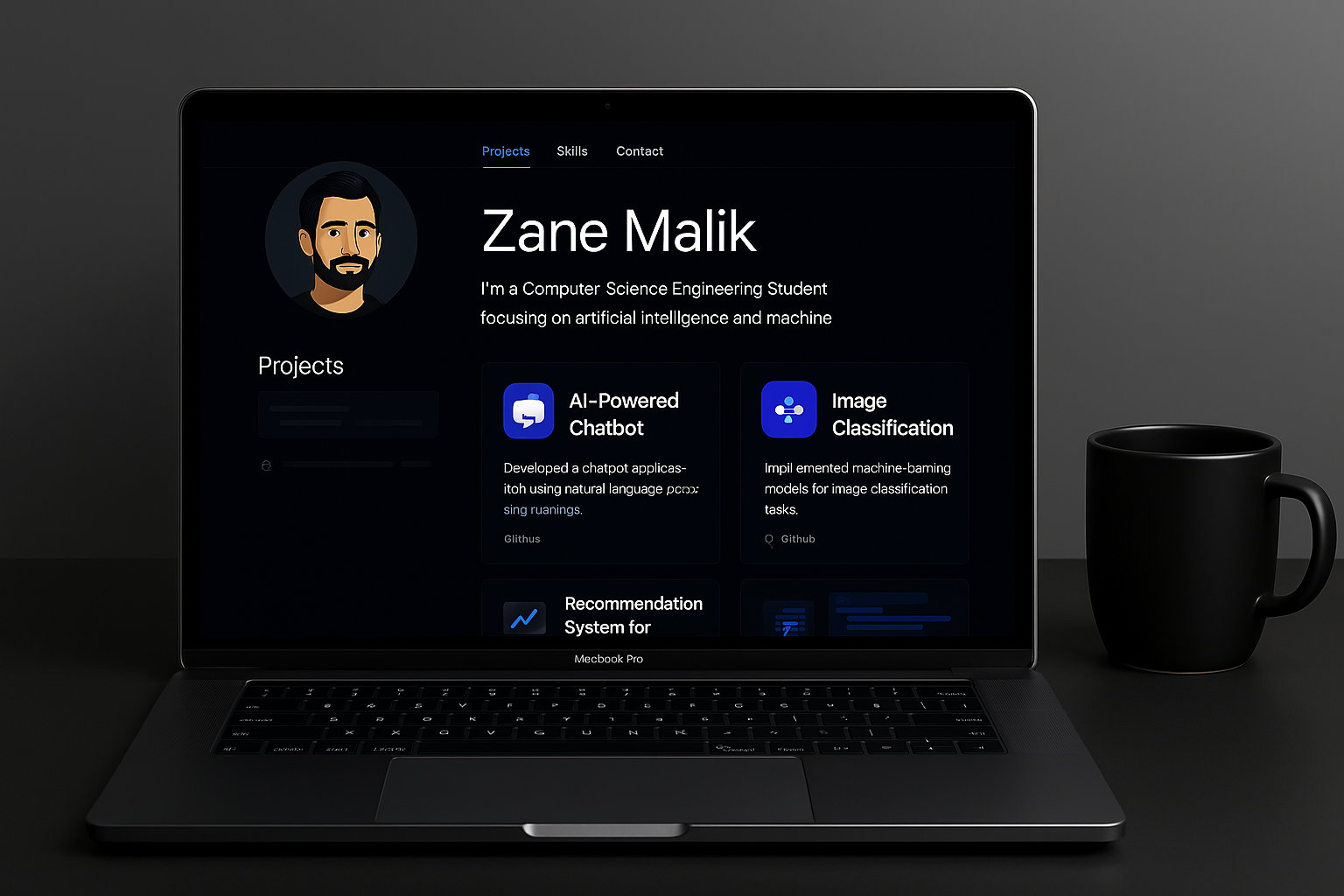

Coding Portfolio Checklist: Everything You Need to Impress Employers
A coding portfolio is more than just a collection of projects—it's your digital resume, proof of your skills, and often your first impression to potential employers. Whether you're a beginner or someone pivoting into tech, building an effective coding portfolio can feel overwhelming. However, with the right checklist and strategy, you can create one that not only showcases your talents but also increases your chances of landing interviews.
Moreover, a well-structured portfolio helps communicate your problem-solving abilities, attention to detail, and technical proficiency. Ultimately, it’s one of the most important tools in your job search toolkit.
In this blog, we’ll walk you through everything you need to include in your coding portfolio, how to organize it, and why programs like the CodeforIndia Full Stack Web Development and Data Analysis + AI & ML Bootcamp can help boost your visibility in the tech world.
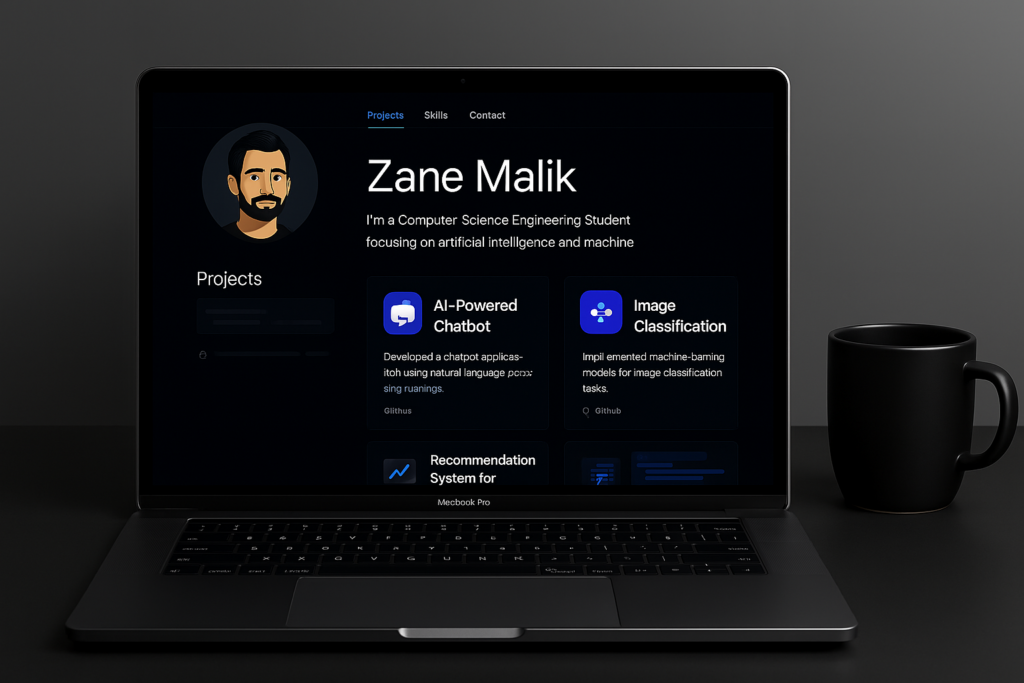
Why You Need a Coding Portfolio
First and foremost, your coding portfolio is your personal brand. It shows hiring managers:
- What you can build
- How you solve problems
- Your growth as a developer
In addition, many tech employers prioritize practical skills over traditional degrees. Therefore, a strong portfolio can set you apart, especially if you’re self-taught or coming from a bootcamp. As a result, showcasing real-world projects can significantly boost your credibility and job prospects.
Essential Elements of a Coding Portfolio
Let’s break it down. Here's a checklist to ensure you cover all the basics:
1. Clean and Professional Design
Even though you don’t need to be a designer, it’s important to ensure your portfolio is easy to navigate. Therefore, use a consistent color scheme, simple fonts, and a responsive layout to create a polished and user-friendly experience.
2. About Me Section
To begin with, briefly share who you are, your background, and what you're passionate about. In addition, make it relatable and human—employers want to get to know you beyond just the code.
3. Technical Skills
To clearly demonstrate your capabilities, include a section that lists your proficiencies such as:
- Firstly, languages (JavaScript, Python, etc.)
- Secondly, frameworks (React, Node.js, etc.)
- Additionally, tools (Git, Docker, etc.)
This helps potential employers quickly assess your technical strengths.
4. Projects With Context to coding portfolio
This is the heart of your portfolio. List 3-5 of your best projects. For each one:
- Add a link to the live project and GitHub repo
- Include a description of what the project does
- Explain your role and the tech stack used
- Mention any challenges and how you solved them
➡️ Check out our blog on Git and GitHub to learn how to share projects professionally.
5. Blog or Articles (Optional)
Writing about coding problems you've solved or tutorials you've created shows deeper understanding and communication skills.
6. Contact Information
Most importantly, don’t forget to include a way for potential employers or collaborators to reach you. Add your email, LinkedIn, and GitHub links to make it easy for them to connect with you.
Tools to Build Your Portfolio
You can build your portfolio using:
- HTML/CSS/JS from scratch
- React or other front-end frameworks
- No-code tools like Webflow or Carrd (read more on no-code development)
Tips for Making Your Coding Portfolio Stand Out
To begin with, customize your domain name (e.g., yourname.dev) to make it professional and memorable.
Next, ensure your portfolio is mobile-optimized, as many hiring managers may view it on different devices. Additionally, add animations or interactive features to showcase your JavaScript skills and creativity.
Moreover, regularly update your portfolio as you gain new skills or finish new projects to keep it current and relevant.
How CodeforIndia Bootcamp Can Help
The Full Stack Web Development and Data Analysis + AI & ML Bootcamp by CodeforIndia doesn’t just teach you how to code. It guides you through:
- Real-world projects you can include in your portfolio
- Resume and LinkedIn profile building
- Mock interviews and mentorship
As a result, you not only learn coding but also learn how to present yourself professionally in the tech space.
Final Thoughts
To sum up, a coding portfolio is your gateway to tech opportunities. It shows your passion, your progress, and your potential. By following this checklist and investing time in quality projects, you’ll be able to impress employers and stand out in a competitive job market.
So, what are you waiting for? Start building your portfolio today and let your code speak for itself!
You might also like: