
Runtime Environments: Everything You Need to Know About!
Understanding runtime environments is essential for anyone stepping into the world of programming and software development. Whether you're a beginner or looking to polish your technical knowledge, this guide will help you grasp the concept step by step. Additionally, we’ll explore why runtime environments are vital and how they connect to your programming journey.
What is a Runtime Environment?
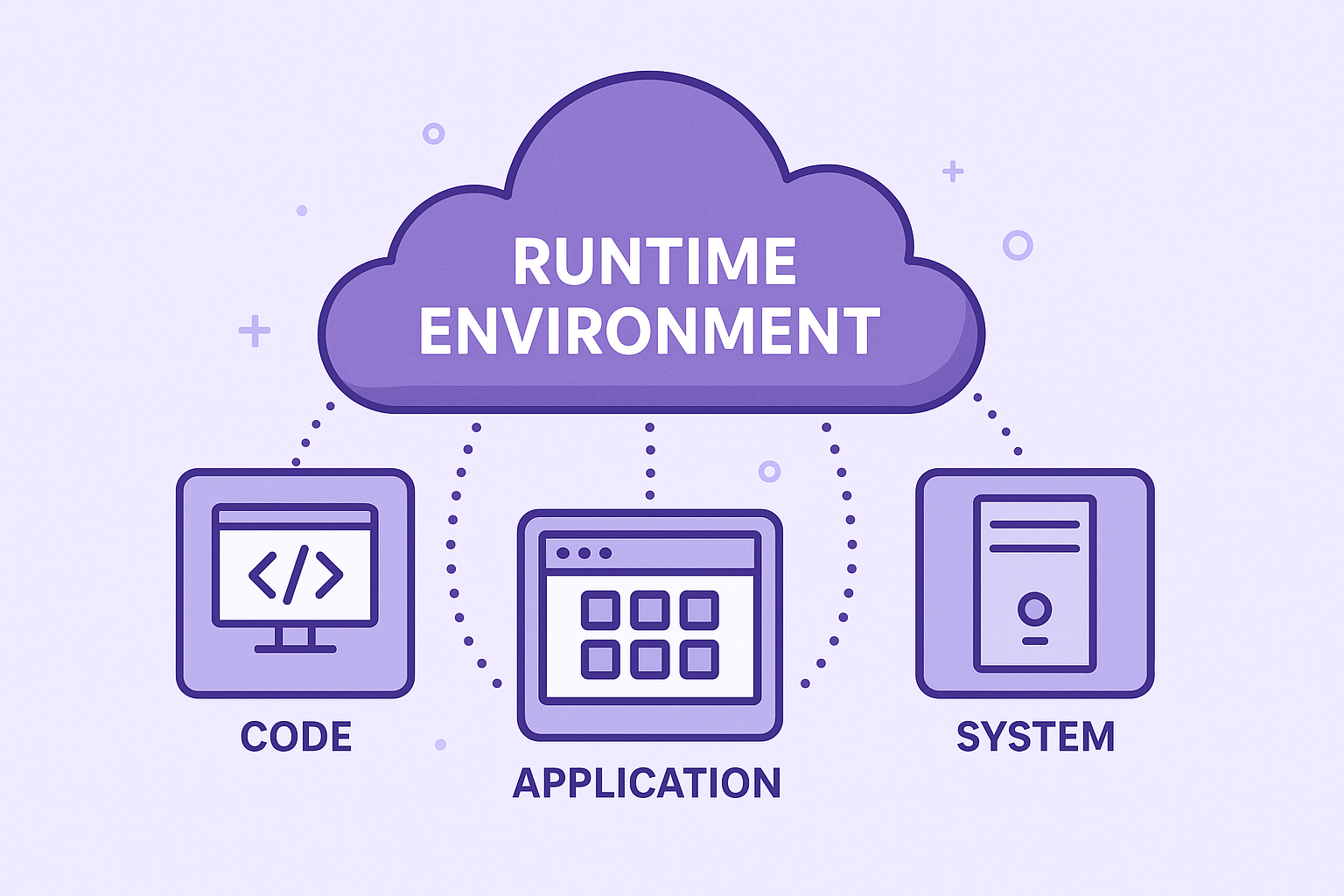
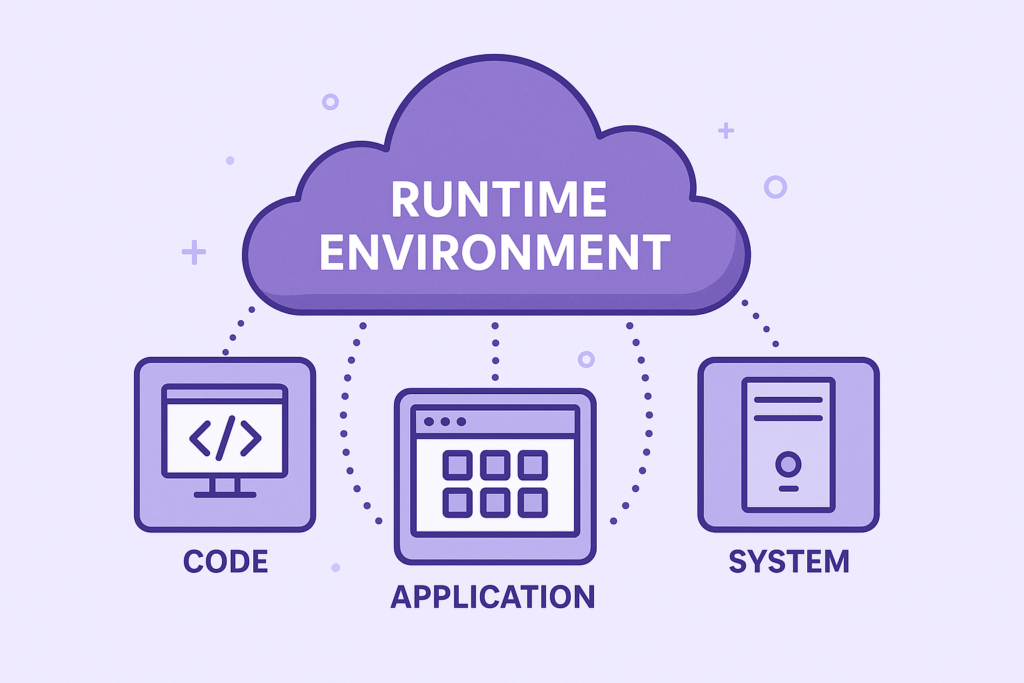
Simply put, a runtime environment (RTE) is the infrastructure that supports the execution of code. It provides all the tools, libraries, and resources necessary for a program to run. For instance, Java applications require the Java Runtime Environment (JRE), while JavaScript may run on environments like Node.js.
Why Is It Important?
First and foremost, runtime environments allow your applications to function as intended without manual intervention every time. Moreover, they ensure compatibility across different systems and streamline the development process. As a result, developers can focus more on writing code rather than dealing with system-specific issues.
Examples of Popular Runtime Environments
Here are some common runtime environments you should be aware of:
- Node.js – Allows JavaScript to run outside a web browser.
- Java Runtime Environment (JRE) – Enables Java applications to run on different devices.
- .NET CLR (Common Language Runtime) – Supports .NET applications.
- Python Interpreter – Executes Python code line-by-line.
How Do Runtime Environments Work?
To explain further, when you run a program, the runtime environment handles the execution, memory management, and error detection. Additionally, it loads necessary libraries and connects with system resources. This is why it's critical for developers to choose the right runtime environment based on their language and application type.
Benefits
Now that you know what they are, let’s explore the advantages:
- Cross-platform compatibility: Run applications seamlessly on different systems.
- Efficiency: Save time with automated tasks and memory handling.
- Stability: Reduce crashes with pre-configured error-handling.
- Security: Manage permissions and prevent unauthorized access.
Getting Started
If you’re just starting out, here’s what you should do:
- Choose a Programming Language – Based on your interest (e.g., Python, Java, JavaScript).
- Download the Corresponding RTE – Visit Java JRE, Node.js, or Python.
- Test a Sample Program – Run a simple “Hello, World!” program.
Learn More with CodeforIndia.com
If you're serious about building your tech skills, we recommend joining the Full Stack Web Development and Data Analysis + AI & ML Bootcamp at CodeforIndia.com. This immersive course covers everything from runtime environments to building full-fledged applications.
Additional Resources
Final Thoughts
In conclusion, understanding runtime environments is foundational to any tech career. They not only support your code but also enhance security, efficiency, and scalability. By choosing the right tools and getting hands-on experience—either through self-learning or structured bootcamps like those at CodeforIndia—you'll be better equipped to build robust applications.
Want more beginner guides? Check out our blog on IoT Devices and Security: What You Should Know and Everything About IDEs