
Mastering Cloud Service Models: Everything You Need to Know
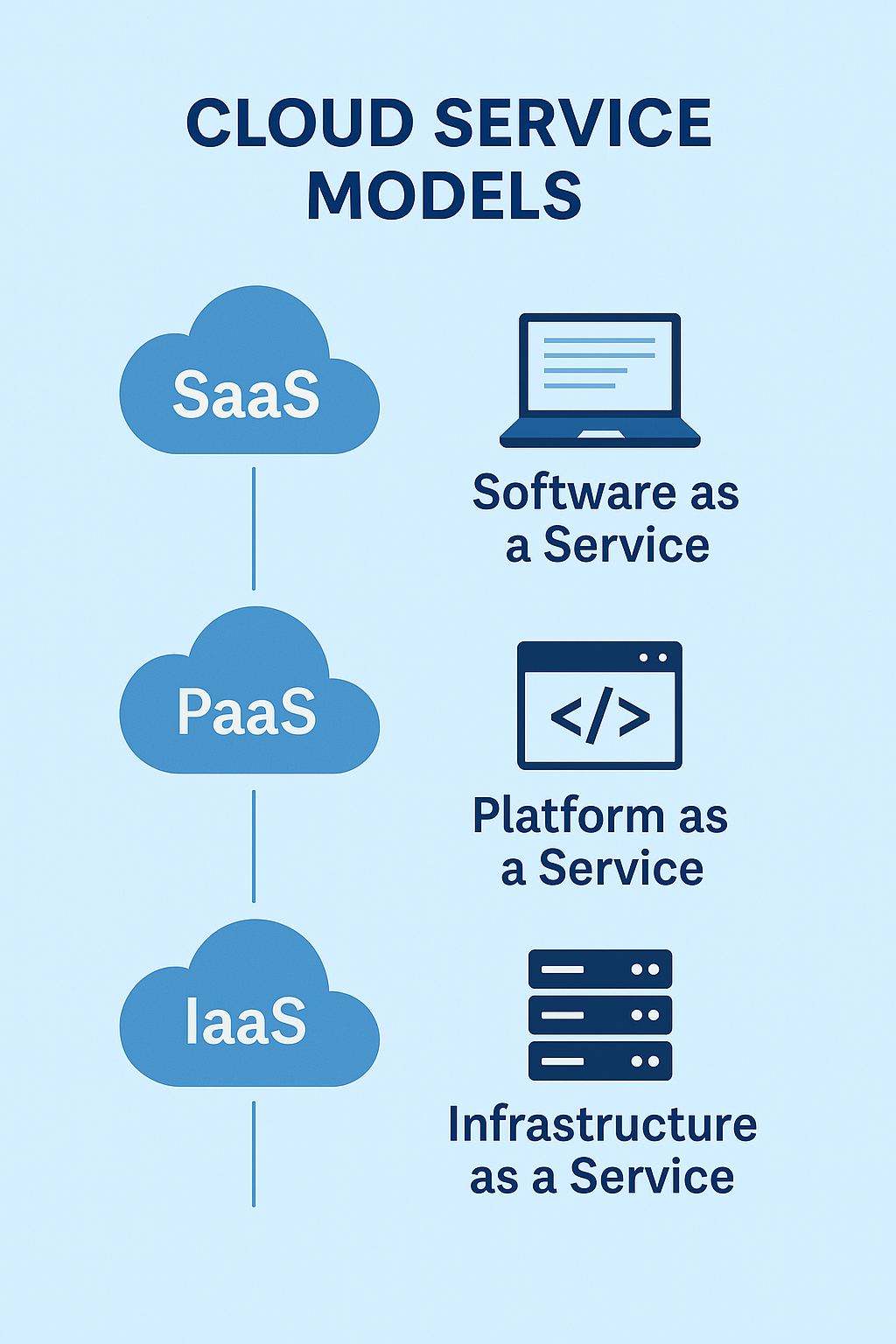
Cloud computing has revolutionized the way businesses and individuals access, store, and manage data. As we continue to rely on cloud technology for various applications, understanding cloud service models is essential. In this blog, we'll explore the three primary cloud service models: IaaS, PaaS, and SaaS. By the end of this guide, you’ll be well-equipped to choose the right cloud service model for your business or personal needs. Additionally, we’ll briefly highlight how courses like CodeforIndia’s Full Stack Web Development and Data Analysis + AI & ML Bootcamp can help you deepen your understanding of cloud technologies and leverage them for real-world applications.
What Are Cloud Service Models?
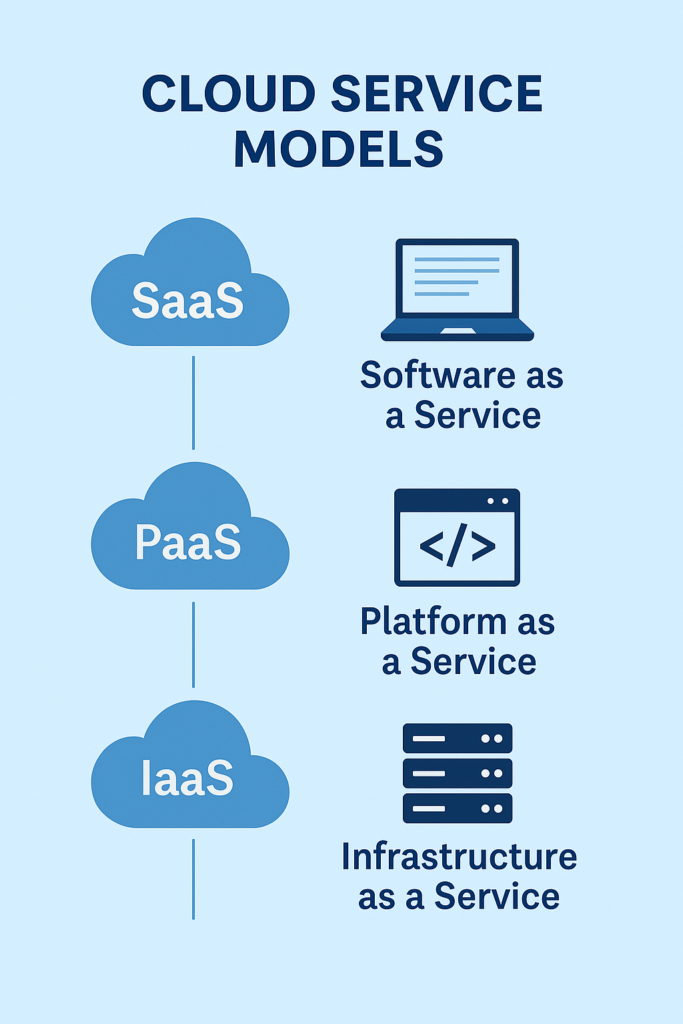
To begin with, cloud computing offers scalable resources through the internet, and different cloud service models provide varying levels of abstraction. More specifically, each model serves a unique purpose, depending on how much control and management you need. With that in mind, let’s break down the three most widely used cloud service models:
1. Infrastructure as a Service (IaaS)
First of all, IaaS is the most basic cloud service model. In this model, cloud providers offer virtualized computing resources over the internet. It provides essential infrastructure like virtual machines, storage, and networking without requiring businesses to manage the physical hardware themselves.
- Key features of IaaS:
- On-demand resources
- Scalability and flexibility
- Pay-as-you-go pricing
- No need to manage physical servers
Popular IaaS providers include:
- Amazon Web Services (AWS)
- Microsoft Azure
- Google Cloud Platform
Therefore, IaaS is ideal for businesses that need flexibility but want to avoid the complexities of managing physical hardware.
2. Platform as a Service (PaaS)
In contrast to IaaS, PaaS provides not just the infrastructure but also the development platform to build, test, and deploy applications. Moreover, it offers tools and services like databases, middleware, and development frameworks to streamline the app development process. As a result, developers can focus on coding without worrying about hardware or software management.
To elaborate, key features of PaaS include:
- Built-in tools for developers
- Integration with databases and applications
- Scalability and flexibility
- Faster time to market for applications
Additionally, some popular PaaS providers include:
- Google App Engine
- Microsoft Azure App Services
- Heroku
Thus, PaaS is a perfect choice for developers looking to quickly build and deploy apps while saving time on infrastructure management.
3. Software as a Service (SaaS)
SaaS, on the other hand, is the most fully managed cloud model. In this model, cloud providers deliver applications over the internet, and users access them through web browsers. Consequently, SaaS eliminates the need for organizations to manage, install, or maintain software, as everything is handled by the provider.
To illustrate, key features of SaaS include:
- No need to install or manage applications
- Automatic software updates and patches
- Access from anywhere with an internet connection
- Subscription-based pricing
Furthermore, some popular SaaS applications include:
- Google Workspace (formerly G Suite)
- Microsoft 365
- Slack
Clearly, SaaS is the best option for businesses that need ready-made applications with minimal setup or maintenance.
Choosing the Right Cloud Service Model
Now that we have a clear understanding of the different cloud service models, the next step is determining which one to choose. Ultimately, the right model depends on your business needs, technical requirements, and available resources. For example:
- IaaS is ideal for businesses that want to manage their own infrastructure but don’t want the headache of handling physical hardware.
- PaaS is perfect for developers looking to build applications without managing underlying infrastructure.
- SaaS is best suited for businesses that need ready-made applications with minimal setup or maintenance.
Therefore, choosing the right service model can significantly affect the efficiency and cost-effectiveness of your business operations.
Cloud Service Models in Action
Consider a real-world example to understand how these cloud models work. Let’s say you’re launching a new e-commerce website:
- With IaaS, you can rent servers, storage, and networking resources to run your website infrastructure without buying physical hardware.
- If you choose PaaS, you can quickly deploy your website using pre-built frameworks and databases, focusing more on coding the application.
- With SaaS, you might simply use an existing platform like Shopify or BigCommerce to run your store, leaving all the maintenance and updates to the provider.
Thus, the choice between IaaS, PaaS, and SaaS depends largely on the level of customization and management you want for your application.
The Future of Cloud Computing
As cloud computing continues to evolve, the associated cloud service models will also advance. In fact, innovations like multi-cloud environments, edge computing, and enhanced cloud security are set to redefine how organizations leverage the cloud. Furthermore, businesses are increasingly adopting hybrid cloud models that integrate IaaS, PaaS, and SaaS to create a more flexible and cohesive infrastructure.
Moreover, advancements in artificial intelligence and machine learning will continue to play a pivotal role in cloud computing, further driving automation, intelligent data processing, and operational efficiency.
How Cloud Services Relate to CodeforIndia's Bootcamps
If you’re looking to master cloud computing and its applications in real-world projects, enrolling in CodeforIndia’s Full Stack Web Development and Data Analysis + AI & ML Bootcamp can give you the right tools and skills. You’ll learn how to integrate cloud services into web applications, analyze data using cloud platforms, and even build AI/ML models that run on cloud infrastructure. The hands-on experience will give you a competitive edge in today’s tech-driven job market.
Recommended Resources
Here are some great resources to expand your knowledge:
- AWS Training and Certification: Learn AWS(link)
- Microsoft Azure Documentation: Azure Cloud Guide(link)
- Google Cloud Training: Google Cloud Resources(link)
Conclusion
In summary, cloud service models have transformed the way businesses operate and scale. By understanding IaaS, PaaS, and SaaS, you can make more informed decisions about which model fits your needs. Whether you’re a developer, a business owner, or just a curious learner, mastering these models will open up many opportunities in cloud computing.
Don’t forget that if you want to dive deeper into cloud technologies, consider enrolling in CodeforIndia’s Bootcamp, where you can get expert guidance and practical experience. So, start your cloud journey today!
Related Articles You May Like: