
The Truth About UX/UI Careers: What Designers Wish They Knew
In today’s digital-first world, User Experience (UX) and User Interface (UI) design have emerged as high-impact careers in tech. Whether you're a student, creative professional, or a career switcher, you’ve probably wondered what working in UX/UI really looks like. Beyond the beautiful designs and smooth interfaces, there's a lot designers wish they knew before stepping into the industry.
Moreover, with resources like the Full Stack Web Development and Data Analysis + AI & ML Bootcamp at CodeforIndia.com, entering the design-tech space has never been more accessible.
What is UX/UI Design?
First of all, it’s important to understand the difference:
- UX (User Experience) focuses on how a user interacts with a product or service. It’s about empathy, user research, and usability.
- UI (User Interface) deals with the look and feel — color schemes, typography, buttons, and layout.
Although they often overlap, UX and UI serve different but complementary roles.
The Hidden Truths of UX/UI Careers
Let’s explore some real insights that aspiring designers should know:
1. It’s Not Just About Aesthetics
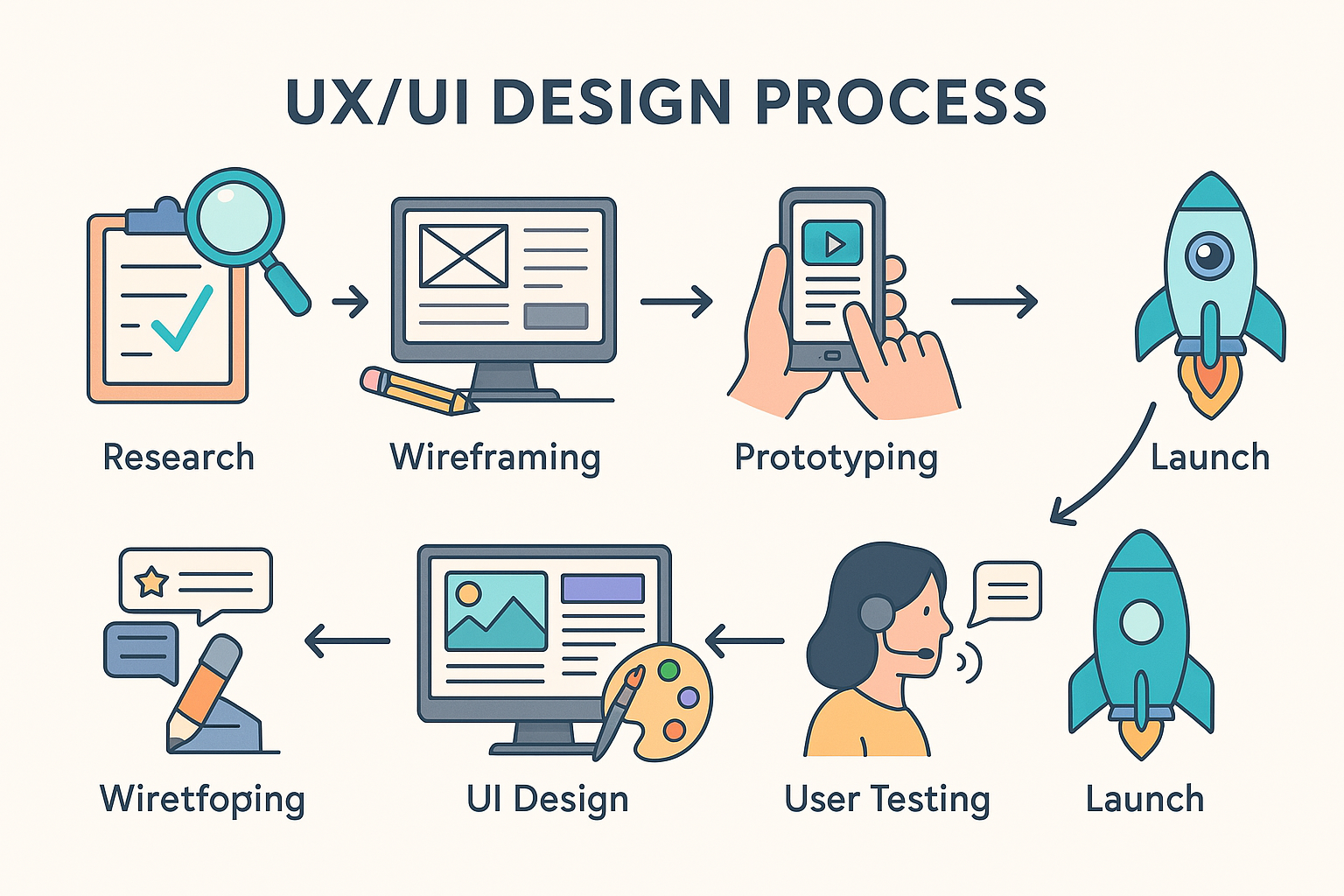
Sure, UI design looks polished and artistic. However, designers spend a large portion of their time understanding user behavior, creating wireframes, and testing prototypes. Therefore, being a great visual artist doesn’t automatically make you a great designer — empathy and critical thinking are key.
2. Portfolios Matter More Than Degrees
Unlike many other tech fields, UX/UI hiring managers prioritize portfolios over formal education. As a result, showcasing your design thinking, problem-solving ability, and user research skills in your case studies is crucial. Use platforms like Behance(link) or Dribbble(link) to host your work.
3. Soft Skills Are Just As Important
Communication, collaboration, and the ability to accept feedback are essential. Since UX/UI involves constant back-and-forth with developers, product managers, and stakeholders, your interpersonal skills can make or break a project.
Skills Every UX/UI Designer Should Learn
To succeed in this field, aspiring designers should focus on mastering the following:
- Wireframing & Prototyping – Tools like Figma, Sketch, and Adobe XD are industry favorites.
- User Research & Testing – Knowing how to interview users, create personas, and test designs.
- Design Principles – Typography, layout, contrast, and accessibility standards.
- Basic Front-End Knowledge – While not mandatory, understanding HTML/CSS/JavaScript helps in communicating with developers.
➡️ Want to learn front-end basics? Check out this beginner-friendly guide to web development.
Common Misconceptions About UX/UI Careers
Even though UX/UI design is a trending field, several misconceptions exist:
- "You need to know how to code."
Not necessarily. While it’s a bonus, it’s not required. - "Design is subjective."
Actually, design decisions should be based on data, user behavior, and usability testing. - "You’ll always be creative."
While creativity is involved, a large part of the job includes documentation, revisions, and meeting product requirements.
Career Paths in UX/UI Design
Depending on your interests and skills, you can explore various roles such as:
- UX Designer
- UI Designer
- UX Researcher
- Product Designer
- Interaction Designer
- Information Architect
Eventually, many designers grow into leadership roles like Design Managers or Product Owners.
Learn UX/UI at CodeforIndia
If you're ready to jumpstart your career, the CodeforIndia Bootcamp integrates design with development, making you industry-ready. Alongside front-end tools, you’ll gain hands-on experience in user research, prototyping, and usability testing, preparing you for real-world UX/UI projects.
Additional Resources:
Final Thoughts
In conclusion, while UX/UI may seem glamorous from the outside, it requires a blend of creativity, strategy, and empathy. However, with the right mindset and resources, you can thrive in this space. Whether you're self-learning or enrolling in a bootcamp like CodeforIndia’s, now is the perfect time to step into the world of design.
You May Also Like: